

5 Preventive Health Steps That Can Add Years to Your Pet’s Life: Many U.S. dogs and cats seem fine until they suddenly don’t. That’s why smart pet owners focus on preventive health measures early. These steps help spot risks early and prevent avoidable illnesses. See your pet’s first doctor visit: What to expect.
This guide shows how preventive care and proactive healthcare can add years to your pet’s life. It also reduces stress, lowers vet bills, and keeps your pet healthy every day.
The five key steps are simple: annual exams, vaccines, parasite prevention, dental care, and managing weight with good nutrition. Daily routines such as grooming, exercise, and mental stimulation make these steps even more effective.
Prevention is key, even if your pet seems healthy. Health issues can sneak up quietly, and pets can change quickly. Because they age faster than humans, acting early is often the best choice.
This article views preventative care as more than just shots. It includes regular check-ups, immunizations, parasite control, early screenings, dental care, portion control, and healthy habits at home. It focuses on proactive healthcare and long-term health maintenance.
For a helpful guide to wellness visits, readers can visit preventive wellness care. It helps compare options with your own vet.
5 Preventive Health Steps Key Takeaways
- Preventive health steps help catch issues before symptoms appear.
- Preventive care can lower the odds of emergency visits and advanced disease.
- Proactive healthcare works best when it is consistent, not occasional.
- Health maintenance includes exams, vaccines, parasite control, dental care, and nutrition.
- Pets can decline quickly, so early checks and steady routines matter.
- Grooming, exercise, and mental stimulation support the core prevention pillars.
Why Preventive Care and Proactive Healthcare Matter for Pet Longevity
Preventive care is about taking steps to avoid health problems before they start. It’s about acting early, not waiting for symptoms to show. This way, pets stay comfortable and energetic, and behave well as they age.
Wellness exams are key in preventive medicine. They track small changes over time. Issues such as weight changes, dental problems, and skin problems can signal more serious conditions early. Regular visits help catch these signs before they become serious.
Visits that follow a preventive vs. reactive care approach aim to spot these patterns sooner. This way, treatments are simpler and less stressful for pets.
- Earlier diagnosis when issues are mild
- Stronger long-term protection through consistent routines
- Lower odds of preventable, high-stress emergency visits
- More explicit guidance tailored to the pet’s age and lifestyle
Disease prevention acts as a safety net for long-term conditions. These include heart disease, diabetes, and arthritis. Regular check-ups help track changes over time. This way, vets can make informed decisions without rushing.
Health promotion goes beyond vet visits. It’s about making wise choices at home. Simple steps like car safety, leash use, and pet-proofing can prevent injuries. For cat owners, a directory of Houston cat vets helps keep care on track.
Preventive Health Steps That Build a Strong Wellness Foundation
Pets thrive when care is consistent from the start. Vets start with 6–8 weeks of wellness exams, vaccines, and parasite protection. Simple steps keep minor problems from becoming big ones.

How preventive health steps support health promotion and disease prevention
Prevention acts as a safety net. It includes regular exams, vaccines, and parasite control. Early testing spots risks before pets show symptoms. This steady approach reduces stress and helps prevent disease year-round.
During wellness visits, vets notice patterns that owners miss. These strategies include:
- Vital organ health through basic lab work trends
- Weight changes and body condition over time
- Oral health checks for gums, teeth, and pain signals
- Skin and coat status, including itch and dryness
- Parasite exposure risk based on season and region
- Mobility shifts, stiffness, and changes in gait
Consistent preventive care helps pets avoid common illnesses. Early detection makes treatment easier and cheaper. This supports both health promotion and disease prevention.
How a pet’s lifestyle shapes preventative care recommendations
Preventive plans are customized. Vets tailor care based on age, breed, overall health, health history, indoor vs. outdoor routine, exposure to other animals, and spay/neuter status. These details guide care through each life stage.
Lifestyle affects vaccine needs. Dogs that spend time outdoors, such as hunting or working dogs, require broader coverage. Nutrition also changes: active dogs need more protein and fat, while less active dogs need fewer calories to stay healthy.
Annual Exams and Routine Veterinary Wellness Visits
Annual exams help keep pets healthy. Most pets need a vet visit at least once a year. Some clinics even suggest going twice a year, as a lot can change in six months.
Older pets or those with ongoing health issues might need to go every six months. This helps keep their care on track and catches small changes early.
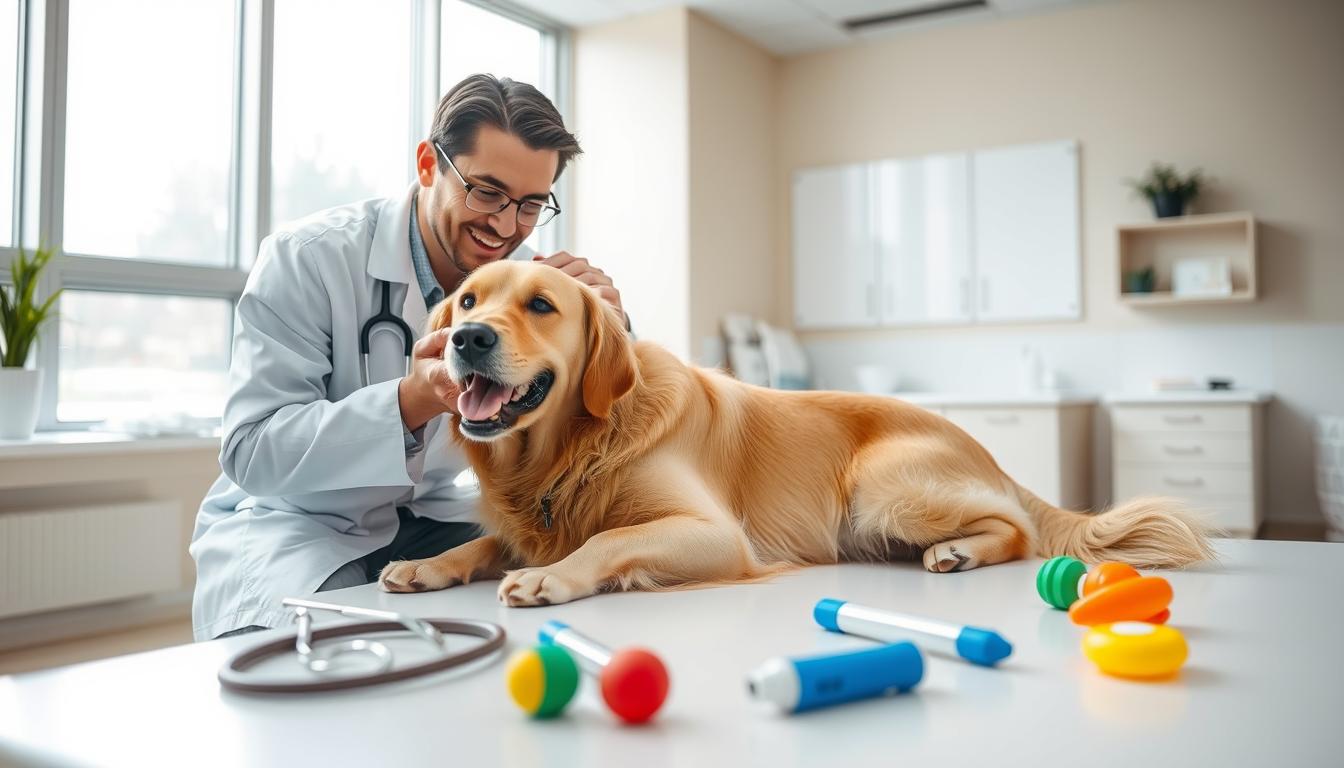
Vets check many things during these visits. They look at weight, body condition, skin, eyes, ears, and teeth. They also listen to the heart and lungs and check for lumps or swelling.
They talk about diet, activity, and any behavioral changes. This helps spot early signs, even if the pet seems healthy. That’s why regular vet visits are key to keeping pets healthy every day.
- blood work to look for hidden changes in organ function
- Heartworm tests based on risk and local exposure
- Fecal exams for parasites that may not cause noticeable signs
- Imaging, when symptoms or exam findings call for a closer look
Problems like heart disease, diabetes, and arthritis can sneak up on pets. Catching them early can make treatment easier and faster. For homes with birds, reptiles, or small mammals, seeing an exotic vet team is essential for their health care.
Health Screening and Early Testing to Catch Problems Before Symptoms
Pets may appear healthy, but may have underlying issues. Health screening and early testing help a vet spot small changes. This is important because pets can change quickly, even in their senior years.
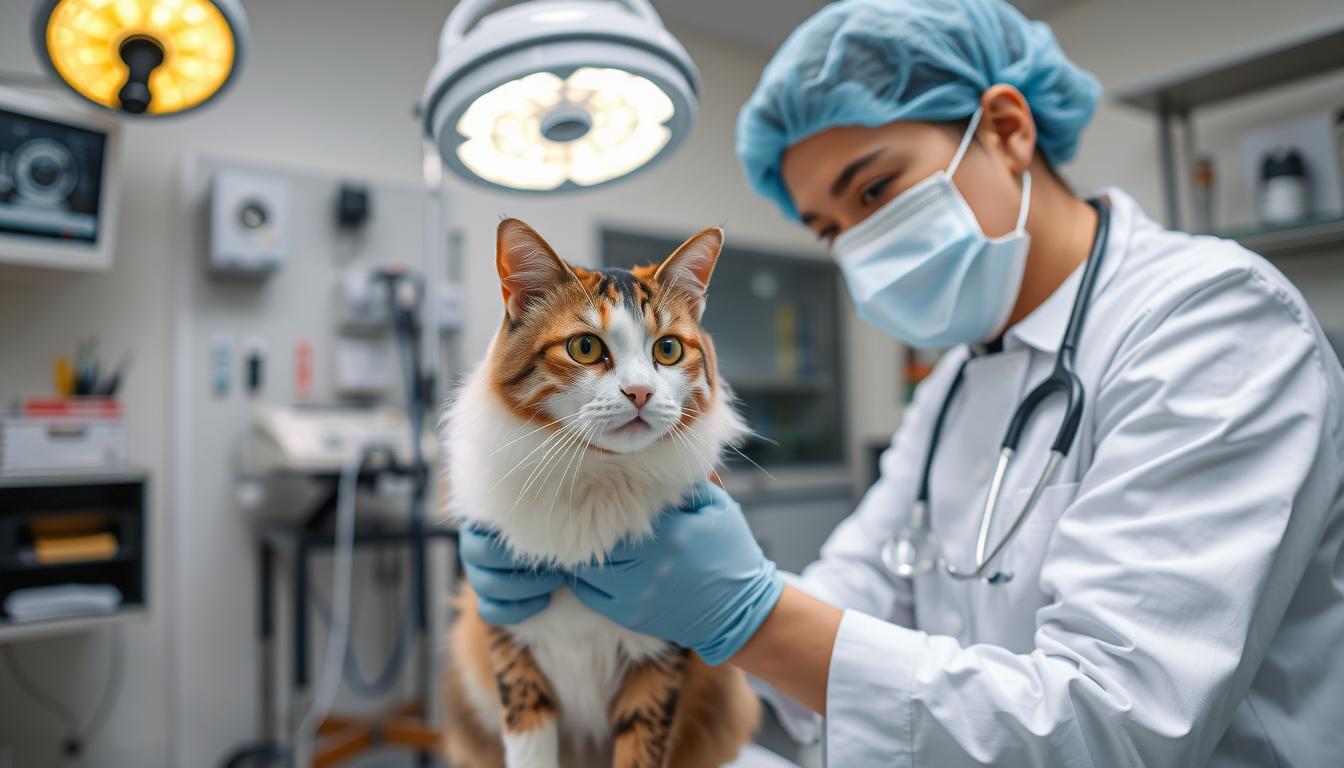
These checkups also support preventive medicine by tracking trends over time. This way, patterns become clear, guiding the care plan before symptoms appear.
Common preventive screening tools used in veterinary wellness care
Routine testing often starts with blood tests. These tests check organ function and inflammation. Urine tests look for signs of dehydration and early kidney strain. Fecal exams detect intestinal parasites that may not present symptoms immediately.
Heartworm tests are key in many U.S. regions. Imaging, such as X-rays and ultrasounds, reveals hidden issues. Early testing helps the vet act quickly, when options are wide and less stressful for the pet.
- Blood panels/bloodwork to look at liver, kidneys, and blood cell counts
- Urine tests to spot infection, crystals, or early kidney changes
- Fecal exams to detect parasites and gut imbalance
- Heartworm tests to catch the infection before significant damage
- X-rays and ultrasounds to check the heart, lungs, and abdominal organs
Examples of conditions that benefit from early detection
Health screening can spot heart disease, diabetes, and arthritis early. This is when lifestyle changes and treatment are most effective. It also catches obesity trends before they strain joints and breathing.
Skin issues, such as allergies and parasites, may show up in subtle signs before a pet starts scratching a lot. Early testing can also detect ear, urinary, and gastrointestinal infections associated with vomiting.
With steady proactive healthcare, a vet can respond quickly to urgent risks. If a pet suddenly worsens, they may need fast help. An emergency vet in Houston can be part of that safety net.
Preventive medicine also includes staying up to date on vaccines. This lowers parvovirus risk in dogs. Health screening and early testing keep care focused on current changes rather than future risks.
Vaccines and Booster Schedules as Core Preventive Medicine
Vaccines are key to keeping pets healthy. They are vaccinated against diseases such as rabies, parvovirus, and distemper. They also protect against kennel cough and feline leukemia.
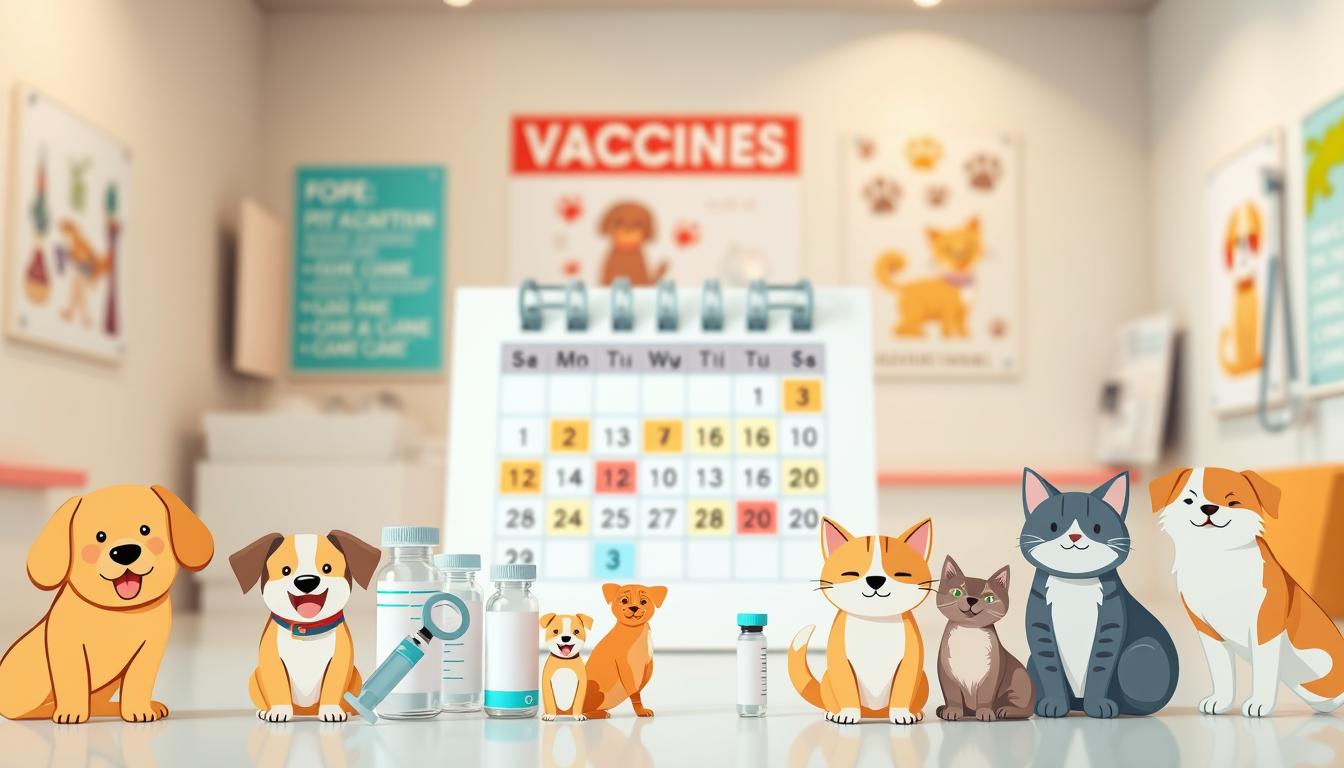
Vets create booster schedules based on a pet’s age, breed, and lifestyle. Pets that go outside frequently or interact with other animals require more frequent vaccinations. This keeps them safe and healthy.
Even indoor pets need vaccines. Viruses can spread through shoes, hands, or other pets. Keeping up with vaccines is essential, even when life gets busy.
- Follow the clinic’s booster schedules to avoid lapses in protection.
- Use phone calendar alerts, a vet app, or reminder postcards to track vaccines.
- Ask at each visit whether lifestyle changes require updated preventive medicine plans.
Parasite Prevention for Fleas, Ticks, Heartworms, and Intestinal Parasites
Parasites don’t wait for a “bad season.” Fleas can live indoors; ticks appear on mild winter days; and mosquitoes remain longer than expected. For pets, parasite prevention is an ongoing part of their health, not just an annual task.

Vets often find early signs during routine visits, even if pets seem healthy. That’s why preventative care is key. It keeps pets comfortable, protects their skin and coat, and reduces the risk of pests spreading illness in the home.
Why year-round parasite control supports disease prevention
Year-round plans block the chain of exposure that can lead to disease. Ticks carry infections, fleas cause itchy skin and allergies, and heartworms can cause severe damage before symptoms appear. Intestinal parasites can spread through feces, contaminating yards, parks, and shared spaces.
Local risk also matters. In the U.S., veterinarians consider regional patterns, such as tick-borne disease trends and seasonal allergies, when recommending products and timing. These strategies protect pets and reduce household exposure to parasites.
Standard formats and routines for preventative care
Many routines use monthly preventatives as the core of care. Options include oral chewables or topical treatments, often with heartworm prevention and flea/tick control.
- Monthly parasite prevention doses, set to a calendar reminder
- Fecal exams during wellness checks to spot intestinal parasites early
- Heartworm testing as a routine service to confirm protection and catch infection sooner
When pets travel, visit dog parks, or go hiking, vets may adjust the timing or product choice. This tailored approach keeps wellness strategies practical while supporting consistent disease prevention year-round.
Dental Care and Oral Health Maintenance Beyond Fresh Breath
Dental care is more than just a nice extra for pets. It improves comfort and eating and helps keep them healthy. During a wellness visit, a vet can spot early mouth changes that owners might miss. These steps help protect oral health before bad breath becomes a sign.
What dental disease can lead to if ignored
Dental disease is severe, not just about looks. Tartar and gum inflammation can cause severe pain, bleeding, and infection. Pets might eat, but they could swallow fast, drop kibble, or eat on one side.
Neglecting oral health can allow bacteria to enter the bloodstream. This can stress the body over time. As with humans, oral health is key to overall wellness. That’s why dental care is often a big part of proactive exams.
At-home and professional dental wellness strategies
Daily habits are key, and they should be consistent and straightforward. Many vets recommend a home routine tailored to the pet’s age, temperament, and diet. This is part of broader health maintenance.
- Brush teeth at least twice a day for about two minutes using a soft-bristled pet toothbrush and veterinary toothpaste.
- Clean between teeth when possible; some pets tolerate pet floss tools, while others do better with an animal water flosser.
- Use dental chews or vet-approved water additives to help reduce plaque between brushings.
- Limit sugary treats and sticky snacks that cling to teeth.
Professional cleanings are also important. They reach below the gumline where brushing can’t. Vets may recommend dental cleanings alongside routine physical exams, based on the pet’s risk and gum condition.
Many clinics offer wellness plans that bundle preventive health services, such as dental care, into a predictable monthly cost. This makes health maintenance easier to plan, supporting routine care rather than responding to unexpected illness or injury.
Weight Management, Nutrition, and Healthy Lifestyle Choices
In many U.S. homes, pets can easily gain extra weight. This is a common health issue that can lead to diabetes, joint issues, and heart problems. Even small weight gains can affect how a pet moves and rests.
Regular vet visits can spot weight trends early. This gives families time to make healthy changes. For those on a budget, low-cost vet care in Houston can help keep up with visits.
Nutrition should fit the pet, not a generic plan. Age, size, breed, and activity level are key. Active dogs need more protein and fat, while older pets need fewer calories.
- Use a measuring cup or kitchen scale for portion control.
- Serve balanced meals and skip table scraps that add “hidden” calories.
- Keep fresh water available all day.
- Limit high-calorie treats, especially for sedentary pets.
A healthy weight helps with energy and immune function. Logging meals and activity can help. The CDC’s guidance on healthy weight habits suggests this approach. With steady routines and realistic goals, managing weight becomes a long-term health habit.
Daily Wellness Strategies: Grooming, Exercise, and Mental Stimulation
Daily routines can do more than keep a pet looking tidy. They can turn simple wellness strategies into steady preventative care. This is shaped by a pet’s age, coat type, and lifestyle choices.
Safe habits matter, too. Pets do better when they ride in a harness or kennel. They should wear proper identification and stay on a leash in public. Never leave them unattended in a parked car, where heatstroke can set in quickly.
Grooming as preventative care for skin, ears, nails, and early detection
Grooming works best when it is treated as a health check, not a style choice. Brushing can cut shedding, prevent mats, and spread natural oils for healthier skin and fur. During that close look, they may notice rashes, lumps, or parasites early.
- Brushing daily or weekly, depending on breed and coat length
- Bathing with dog-safe shampoo to avoid skin irritation
- Nail trimming to help prevent pain, splits, and posture strain
- Ear cleaning to lower the risk of moisture and infection
These routines can also build trust. Many pets relax when grooming is calm and consistent. This supports long-term health promotion by reducing stress and improving handling during vet visits.
Exercise and enrichment to support health promotion
Regular movement supports joints, heart health, and mood. It can also reduce the risk of obesity and ease anxiety. Activity guidelines for humans often highlight aerobic and strength work; that same mix of stamina and muscle use helps many pets, too, in species-appropriate ways, as summarized in physical activity research.
Enrichment keeps the brain busy and the body safer. They can rotate options to keep the pet curious without becoming overwhelmed.
- Daily walks or hikes with sniff breaks
- Puzzle toys and treat-dispensing balls to slow eating
- Playdates with other dogs, when temperament and vaccines allow
- Obedience or agility training for focus and body control
Home safety supports preventative care in quiet ways. Medications and cleaners should be locked up, cords covered, and minor choking hazards picked up. Fencing and baby gates can prevent escapes and falls. Remove toxic plants, including Easter lilies and Tiger lilies for cats, as well as azaleas, daffodils, and tulips.
Yard and garage chemicals deserve extra care. Exposure can occur through inhalation, skin contact, or ingestion, including organophosphates such as acephate and malathion, carbamates such as carbaryl, and pyrethrins/pyrethroids. Everyday lawn products may include herbicides such as Roundup, Rodeo, and Spectracide; rodenticides such as d-CON and Tomcat baits; and brands like Garden Safe, Ortho, Dr. Earth, Corry’s, BioAdvanced, and Scotts.
They can reduce risk by removing pets, toys, bedding, and food and water bowls before application, then storing products with childproof locks. Labels may list chemicals such as 2,4-D, MCPP, glyphosate, imidacloprid, or tebuconazole, so careful storage supports safer lifestyle choices. Households that want clear expectations about data use when booking online may review the clinic’s privacy policy before sharing details.
Small daily habits can make care feel simple, consistent, and easier to stick with.
5 Preventive Health Steps Conclusion
Pets do well when we make small habits a part of their lives. Simple steps like annual check-ups, up-to-date vaccines, and monthly parasite prevention are key. These steps help avoid big health problems.
Preventive care is most effective when it starts early. Regular veterinary visits can detect issues such as weight changes, dental problems, and parasites. This way, many health problems are easier to manage.
Daily habits also play a significant role. Keeping teeth clean and managing weight helps pets stay healthy. It also improves their quality of life as they get older.
It’s crucial to schedule vet visits even if your pet seems healthy. Also, watch for any changes in their behavior or mood. For reliable care, visit Houston Veterinary Care.
5 Preventive Health Steps FAQ
What does “preventative care” mean for pets?
Preventive care is all about keeping your pet healthy before problems start. It includes regular check-ups, vaccinations, and parasite control. It also means early screenings, dental care, and planning their diet and exercise.
Why do preventive health steps matter when a pet looks healthy?
Even if a pet looks fine, it can have hidden problems. These can include weight issues, dental disease, and parasites. Pets age quickly, so catching issues early is key to their health and happiness.
What are the five main pillars of a strong pet wellness plan?
A good wellness plan focuses on five key areas. These include annual exams, vaccines, parasite control, dental care, and weight management. Daily habits like exercise and grooming also play a significant role.
How often should U.S. pets get wellness exams?
Most pets need a wellness exam at least once a year. Some may need to go more frequently, such as twice a year. This is true for older pets or those with health issues.
What happens during an annual exam or routine wellness visit?
During a wellness visit, the vet checks your pet’s weight and body condition. They do a complete physical exam and look for any signs of illness. They might also listen to your pet’s heart and check their mobility.
What subtle signs can a wellness exam uncover early?
A wellness exam can detect minor changes that may not be apparent. These include weight changes, dental problems, and early signs of skin or ear issues. Catching these early can help prevent bigger problems later.
Which screening tests are standard in preventive veterinary care?
Standard tests include bloodwork, urine tests, and fecal exams. Heartworm tests are also standard. Sometimes, X-rays or ultrasound are used to detect hidden issues.
What conditions are easier to manage with early detection?
Early detection can make a significant difference for chronic conditions such as heart disease and diabetes. It can also help with obesity, allergies, and other issues. Early detection means better treatment options and less stress for your pet.
Can routine preventive care help avoid serious emergencies?
Yes, it can. Preventive care catches problems early, reducing the risk of serious issues. For example, vaccines can prevent parvovirus, and regular veterinary visits can help manage conditions such as gastric torsion.
How does a veterinarian tailor preventative care to a pet’s lifestyle?
Vets consider your pet’s age, breed, and health history when planning care. They also consider their lifestyle, such as whether they spend time indoors or outdoors. This helps tailor the care to your pet’s specific needs.
How does lifestyle affect vaccine recommendations?
Pets that spend a lot of time outdoors may need more vaccines. This is because they’re at higher risk of exposure to diseases. The vet will also consider local disease patterns and your pet’s age and health.
Do indoor pets need vaccines and parasite prevention?
Yes, indoor pets can be exposed to diseases and parasites. This can occur through contact with other animals or through contact with shoes and clothing. Vaccines and parasite prevention are essential for their health.
Which vaccines are commonly discussed as core protection?
Core vaccines protect against serious diseases like rabies and parvovirus. For dogs, this includes distemper and kennel cough. Cats may need a feline leukemia vaccine if they’re at risk.
When does preventative care begin for puppies and kittens?
Preventive care typically begins around 6–8 weeks. This includes first exams, vaccines, and parasite protection. Starting early helps build a strong foundation for health.
How can pet owners avoid missing boosters and routine care?
Many clinics offer reminders for care. Setting calendar alerts can also help. This ensures your pet stays on schedule and avoids gaps in care.
Why is year-round parasite prevention recommended?
Parasites like fleas and ticks are a year-round threat. Preventive care helps protect your pet from these dangers. It also keeps them comfortable and reduces the risk of disease.
What formats are common for flea, tick, and heartworm prevention?
Monthly preventatives are common. These include chewables and topical treatments. Regular heartworm testing and fecal exams confirm the effectiveness of these preventatives.
How does dental care fit into preventive medicine?
Dental care is a key part of preventive medicine. Oral disease can progress quickly and affect overall health. Regular dental checks help catch problems early.
What can dental disease lead to if it’s ignored?
Ignoring dental disease can lead to severe pain and tooth loss. It can also cause widespread inflammation. Regular dental care is essential for your pet’s health.
What are practical dental wellness strategies at home and at the clinic?
Brushing teeth at home and using dental chews are helpful. Professional cleanings are also important. Some wellness plans include dental cleanings to help budget for care.
Why is weight management a top preventive health step?
Obesity is a common problem in pets. It increases the risk of diabetes and joint issues. Regular weight checks help owners manage their pets’ diets and activity levels.
How should nutrition change based on a pet’s activity level and life stage?
Diet should match your pet’s age, size, and activity level. Active pets may need more protein and fat. Less active pets need calorie control to prevent weight gain.
How does grooming function as preventative care?
Grooming keeps your pet’s skin and coat healthy. It helps spot early signs of disease. Regular grooming also strengthens the bond between you and your pet.
What grooming habits help prevent infections and injuries?
Daily brushing and regular baths are essential. Trimming nails prevents pain or injury. Ear cleaning reduces infection risk. Grooming also supports your pet’s comfort and well-being.
What daily exercise and enrichment support long-term wellness?
Regular exercise and mental stimulation are key. Daily walks, puzzle toys, and playdates are great options. They help prevent obesity and anxiety.
What everyday safety routines count as preventive care?
Safety routines are part of preventive care. Using a harness or kennel in the car is essential. Proper identification for your pet, as well as carrying water and waste bags, is also necessary. Never leave a pet in a parked car due to the risk of heat stroke.
How can pet owners pet-proof a home and yard to prevent toxin exposure?
Store medications and cleaners securely. Block access to cords and minor choking hazards. Check fencing and gates regularly. Some plants, like Easter lilies, can be toxic to cats.
Which yard and household chemicals are risky for pets, and how can exposure be reduced?
Many chemicals are harmful to pets. These include pesticides and rodenticides. Keep pets away from these products and store them securely. Before using chemicals, remove pets and their belongings from the area.
What’s a simple roadmap pet owners can follow for proactive healthcare?
A simple roadmap includes regular veterinary visits and up-to-date vaccinations. Maintain monthly parasite prevention and focus on dental care and weight management. These steps help prevent diseases and reduce the need for emergency care.
What is the best next step if a pet seems fine right now?
Schedule the next wellness appointment and set reminders for vaccines and preventatives. Watch for any changes in behavior or routine. Early detection is key to your pet’s health.