
How to Diagnose Tapeworm: It’s important to know about tapeworms and ringworms in pets. This guide explains how to identify these issues. It also underscores the need for prompt action and veterinary care.
Tapeworms and ringworms can make pets very sick. Owners need to watch for signs of worms. Catching these problems early is key to helping your pet.
Going to the vet regularly is a must. It helps catch worms before they get worse. For more information, see this helpful guide.
Key Takeaways
- Tapeworms and ringworms are common parasitic infections in pets that require early diagnosis.
- Spotting worms in pets involves recognizing visible signs and symptoms.
- Regular vet visits and fecal examinations are key to finding pet worms.
- Getting help from a vet is important for treating and stopping these problems.
- These infections can harm both pets and people.
Understanding Tapeworms in Pets
Tapeworms are flat, segmented parasites that live in pets’ intestines. They have hook-like mouthparts to stick to the intestinal walls. As they grow, segments of their bodies, called proglottids, break off and appear in the pet’s stool.
Proglottids look like grains of rice or cucumber seeds. They are about ½ inch long and ⅛ inch wide.
Spotting pet worm infestations is key to keeping pets healthy. Owners often see proglottids in feces or vomit. They can also see them moving around the pet’s anus or on fresh feces.
Another way to know is through regular vet visits. Veterinarians perform fecal exams to detect intestinal parasites early.
A proglottid segment can have up to 20 tapeworm eggs. Seeing this is important for diagnosis. Standard fecal exams might miss tapeworm infections. A vet’s help is needed to confirm and treat an infestation.
For more info on tapeworm infections and pet worm symptoms, check out VCA Hospitals.
How Pets Contract Tapeworms
It’s important to know how pets get tapeworms to catch infections early. Tapeworms start with fleas that carry eggs.
When a pet swallows an infected flea, the eggs go into its intestines. Then, the eggs hatch and move to different parts of the intestines. They attach to the wall and grow into adult tapeworms.
As the tapeworm grows, parts with eggs come out in the pet’s stool. Seeing these segments is a key sign of worm infection. Keeping fleas away and staying clean is key to preventing this.
It’s also vital to spot early. Look for worm segments in the stool, changes in eating, and scooting. These signs mean it’s time to check for worms. 5 preventative tips to add years to your pet’s life.
Knowing how pets get tapeworms helps keep them healthy. Early detection of worm infections is critical. Daily checks and vet visits are a must. Beware of kissing bugs, which can infect pets and humans.
Clinical Signs of Tapeworm Infection
Tapeworm infections in pets can be hard to spot. But knowing the signs early is key. It helps ensure your pet receives the care they need quickly.
Visible Segments in the Stool
Seeing tapeworm segments in your pet’s stool is a clear sign. These look like grains of rice. They might also show up in your pet’s fur near their anus.
If you see these segments, see a vet right away. This indicates your pet may have tapeworms. For more information, see “Recognizing Pet Worm Signs.”
Scooting Behavior
Scooting is another sign of worms in pets. It’s when they drag their backside on the ground. This is usually due to tapeworms irritating the anus.
While scooting can mean other things, too, like anal gland problems. If your pet scoots and shows other worm symptoms, they need a vet check.
Knowing these signs and acting fast is important. It helps keep your pet healthy and happy.
What is Ringworm in Pets?
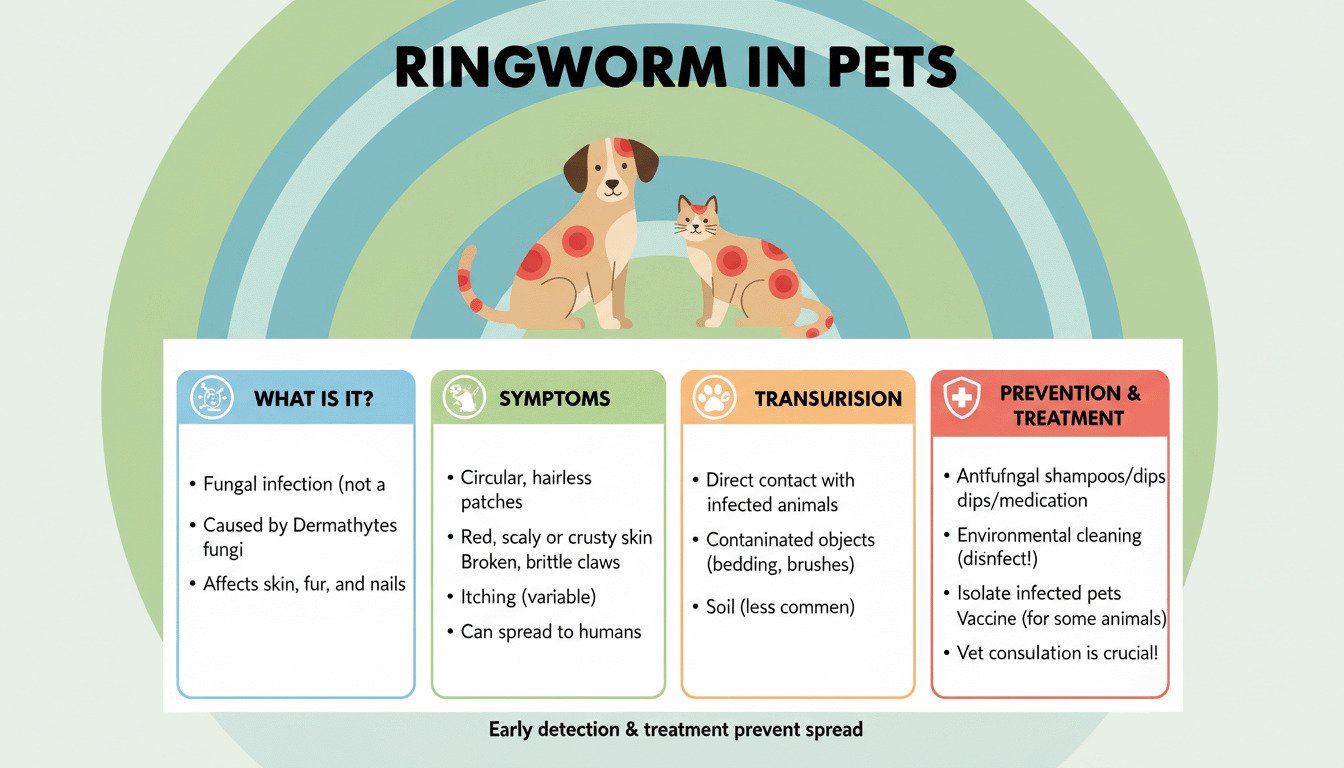
Ringworm is not a worm. It’s a fungal infection that affects pets’ skin, hair, and nails. Knowing the signs is key to treating it early.
Appearance of Ringworm Lesions
Ringworm lesions look like circular bald patches. They have scaly, inflamed skin. Pets may itch and scratch, which can worsen the condition.

For more on diagnosing ringworm in cats, check out this guide by VCA Hospitals.
Common Transmission Methods
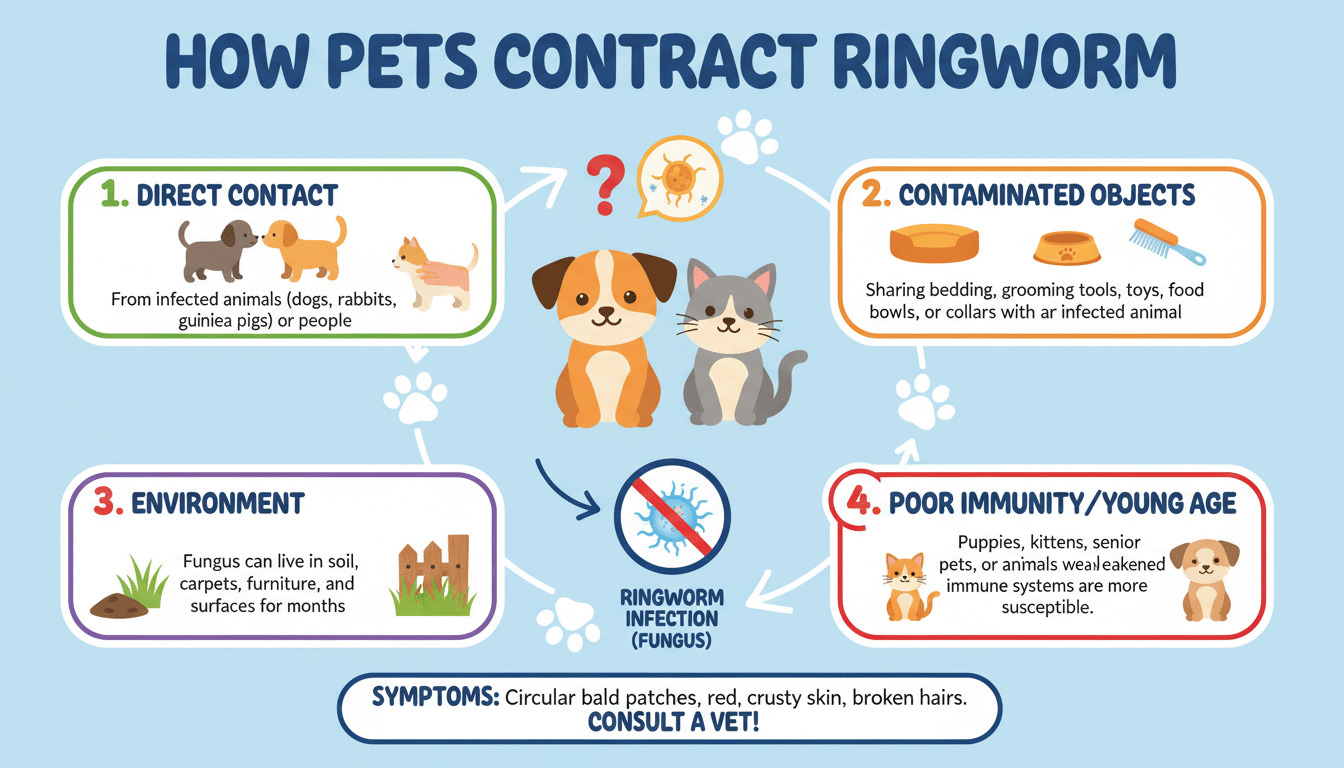
Ringworm spreads through direct contact or contaminated objects. Knowing how it spreads helps prevent it.
Keeping things clean can help stop ringworm. For more pet health tips, visit Houston Vets.
How to Diagnose Tapeworm
It’s important to know how to find worms in pets to keep them healthy. You might see tiny segments in your pet’s poop. These look like rice and can be found near their bottom or in their bed.
But to be certain, you should take your pet to the vet. Vets use different ways to find worms. They might look at your pet’s poop to see eggs or parts of the worm. They might need to check several times to be sure.
If your pet has a hidden infection, the vet might use special tests. They might use CT scans, MRIs, or ultrasounds to find cysts. They might also find cysts by accident during other checks. A blood test can help find the infection by looking for special antibodies.
Knowing how to find worms helps your pet get better faster. Taking your pet to the vet is key to finding and treating worms.
Steps for Diagnosing Ringworm in Pets
It’s important to catch ringworm in pets early. This helps them get better faster. Look for signs that might mean your pet has this infection.
Identifying Symptoms
Pets with ringworm may lose hair in circular patches. Their skin could be scaly or crusty. They might also be itchy or groom too much.
If you see these signs, get help from a vet right away. This is key to your pet’s health care.
Veterinary Examination
When you take your pet to the vet, they will check for ringworm. They might use a specialized lamp to check whether your pet has it. But this test can sometimes be wrong.
The vet might also look at your pet’s hair under a microscope. If they can’t see the fungus, they might do a fungal culture. This test grows the fungus to confirm the diagnosis. It takes about 10-14 days to get the results.
For quicker results, they might use PCR testing. But this test isn’t perfect for knowing when treatment is done.
- Wood’s Lamp Examination
- Microscopic Hair Examination
- Fungal Culture
- PCR Testing
- Biopsy (if needed)
In some cases, a biopsy is needed. It checks for fungus in tissue samples. This helps ensure your pet receives appropriate care and treatment.
Determining whether your pet has worms, such as ringworm, requires a vet’s help. They use tests to confirm it. Quick action helps keep your pet healthy.
How to Diagnose Tapeworm or Ringworm in Your Pet: Conclusion
Early diagnosis and treatment of tapeworm and ringworm in pets are key. Spotting worms in pets starts with knowing the symptoms. Look for visible segments in the stool or unusual behavior.
Preventive measures are vital for pet health care. Regular vet visits, flea control, and good hygiene are important. These steps help catch problems early and prevent future ones.
Proactively diagnosing pet worms improves your pet’s quality of life. By taking preventive steps and knowing the signs of worms, pets stay healthy. With care and dedication, pets can live happier, healthier lives.