
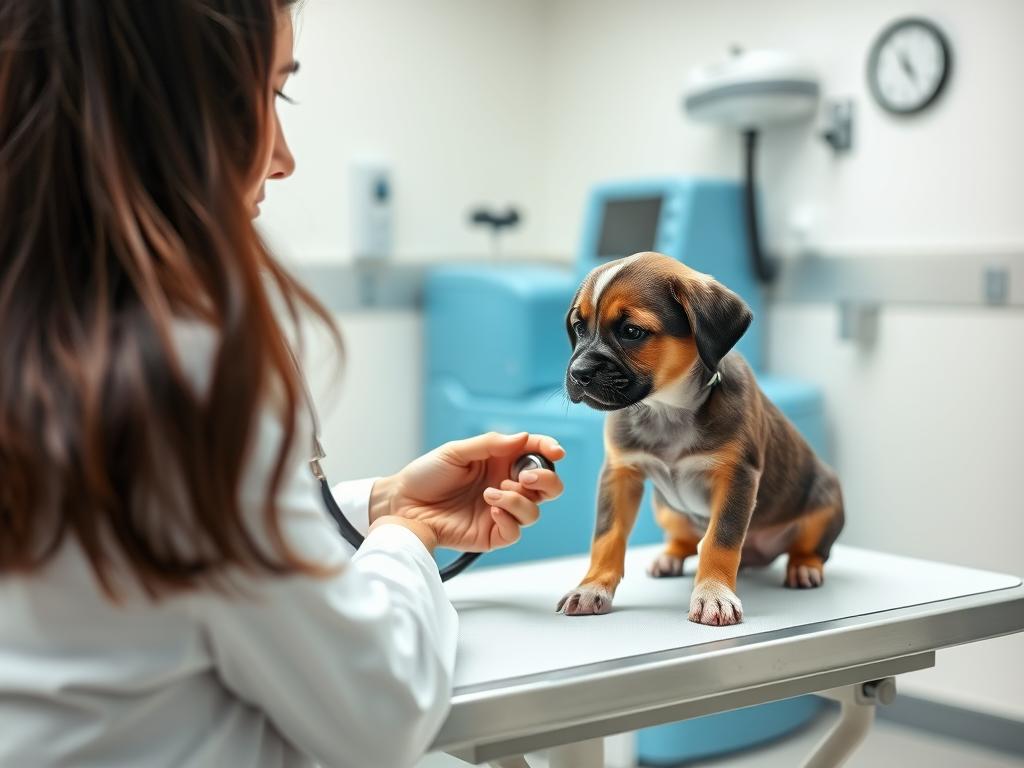
The First Vet Visit: Bringing home a new pet is an exciting milestone filled with cuddles, playtime, and creating new memories. Among your first responsibilities as a pet parent is scheduling that crucial first veterinary visit.
This initial appointment lays the foundation for your pet’s lifelong health and establishes an important connection with the professional who will guide your pet care decisions for years to come. Also see 5 Preventive Health Steps That Can Add Years to Your Pet’s Life.
Whether you’ve adopted a playful puppy, a curious kitten, or an adult pet, this comprehensive guide will walk you through everything you need to know about that first vet visit – from when to schedule it to what questions you should ask.
When to Schedule the First Vet Visit
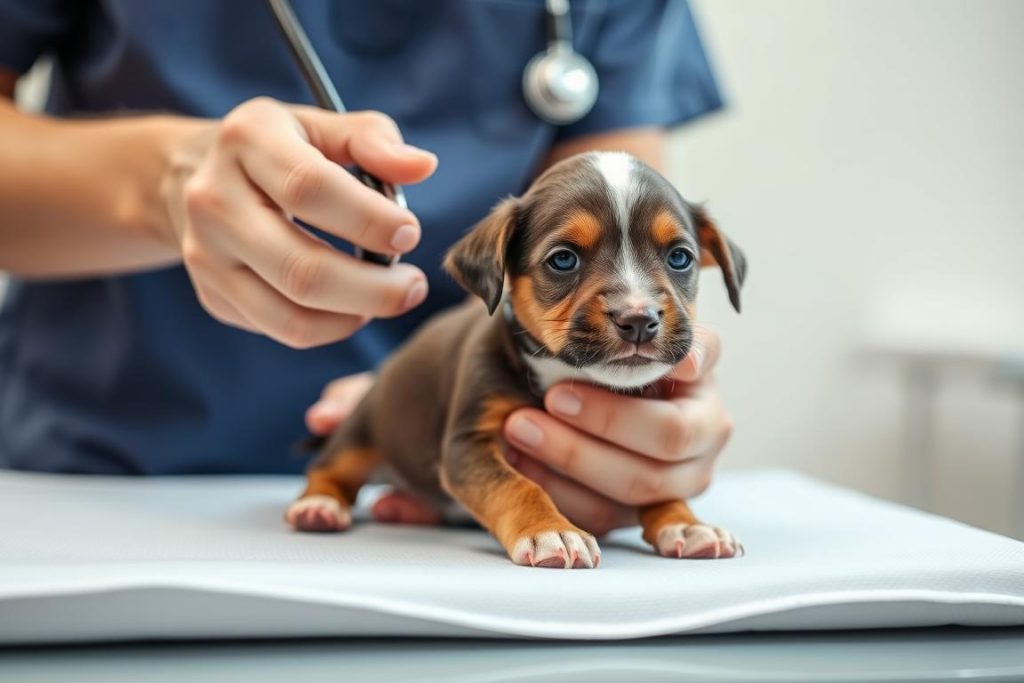
Your pet’s first veterinary examination establishes a baseline for their health
The timing of your pet’s first veterinary visit depends on their age and origin, but one rule applies universally: sooner is better than later. See Puppy’s first Vet visit.
For puppies and kittens, veterinarians recommend scheduling an appointment within the first 24-72 hours of bringing them home. This is especially important if you’ve adopted from a shelter or rescue, where exposure to other animals may have increased the risk of contagious conditions.
If you’ve purchased from a reputable breeder, they may have already provided initial veterinary care. Even so, establishing a relationship with your own veterinarian quickly is essential. Many breeders even include a clause in their contracts requiring a veterinary examination within a specific timeframe.
For adult pets, the same urgency applies – schedule that first appointment within the first week. This allows your veterinarian to establish a baseline of health and address any immediate concerns.
Important: Even if your new pet appears perfectly healthy, that first veterinary visit is crucial. Many health issues aren’t visible to the untrained eye, and early detection often leads to simpler, less expensive treatment.
What to Expect During Your Pet’s First Vet Visit
Understanding what to expect during the initial appointment can help ease any anxiety you may feel. Your veterinarian will conduct a thorough examination that typically includes:
Physical Examination
- Weighing your pet
- Checking temperature, pulse, and respiration
- Examining eyes, ears, nose, mouth, and teeth
- Listening to the heart and lungs
- Palpating the abdomen and lymph nodes
- Checking skin and coat condition
- Examining paws, nails, and joints
- Assessing overall body condition
Laboratory Testing
Your veterinarian may recommend several tests during this first visit:
- Fecal examination to check for intestinal parasites
- Blood tests to screen for certain diseases
- Heartworm testing (for dogs 6 months or older)
Don’t be surprised if your veterinarian recommends deworming medication even if tests come back negative. Parasites may be present but undetected in some samples, and preventive deworming is standard practice, especially for puppies and kittens.
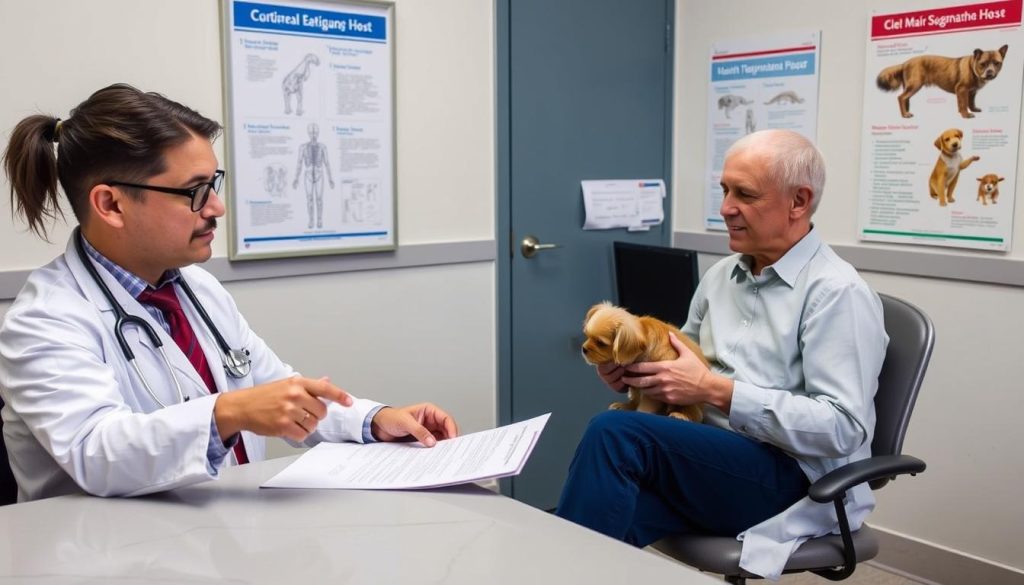
Your first vet visit is an opportunity to establish a relationship with your pet’s healthcare provider
What Vaccinations Are Typically Discussed
Vaccinations are a crucial topic during your pet’s first vet visit. Your veterinarian will create a personalized vaccination schedule based on your pet’s age, lifestyle, and risk factors.
Core Vaccines for Dogs
- DHPP/DAPP: Protects against distemper, hepatitis (adenovirus), parainfluenza, and parvovirus
- Rabies: Required by law in most areas
- Leptospirosis: Protects against bacterial infection that can cause kidney and liver damage
Core Vaccines for Cats
- FVRCP: Protects against feline viral rhinotracheitis, calicivirus, and panleukopenia
- Rabies: Required by law in most areas
- FeLV: Feline leukemia virus (often recommended for outdoor cats)

Vaccinations protect your pet from serious, potentially fatal diseases
Typical Vaccination Schedule
Puppies and kittens typically receive their first vaccinations between 6-8 weeks of age, with boosters every 3-4 weeks until they’re about 16 weeks old. After the initial series, most vaccines require annual or triennial boosters.
Your veterinarian will tailor the vaccination schedule to your pet’s specific needs. Factors such as geographic location, lifestyle (indoor vs. outdoor), and exposure to other animals influence which vaccines are recommended.
Stay On Track With Your Pet’s Vaccinations
Never miss an important vaccination appointment with our printable tracker. Record dates, upcoming boosters, and keep all your pet’s health information in one place.
Parasite Prevention (Fleas, Ticks, Heartworm)
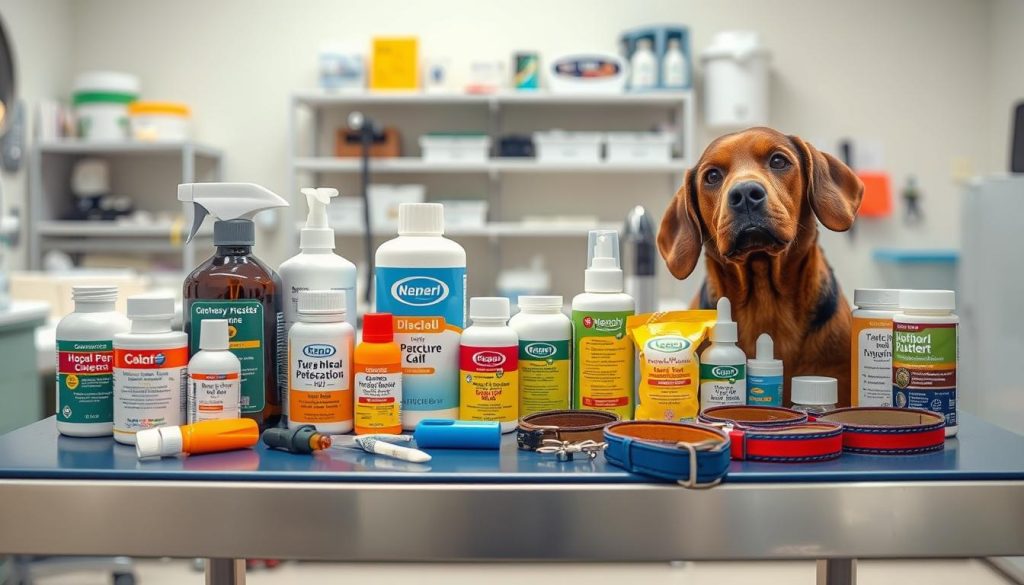
Your veterinarian will recommend appropriate parasite prevention products for your pet
Parasites pose serious health risks to your pet and, in some cases, to human family members as well. Your first vet visit will include a discussion about comprehensive parasite prevention.
Common External Parasites
Fleas
These tiny insects feed on your pet’s blood and can cause intense itching, skin infections, and, in severe cases, anemia. Fleas can also transmit tapeworms and other diseases.
Ticks
These blood-feeding parasites attach to your pet’s skin and can transmit serious diseases like Lyme disease, ehrlichiosis, and Rocky Mountain spotted fever.
Internal Parasites
Heartworms
Transmitted by mosquitoes, heartworms live in the heart and pulmonary arteries of infected pets. Prevention is crucial, as treatment is complex, expensive, and risky.
Intestinal Worms
Roundworms, hookworms, whipworms, and tapeworms can cause digestive issues, malnutrition, and other health problems. Some can also be transmitted to humans.
Prevention Options
Your veterinarian will recommend appropriate preventative products based on your pet’s age, species, health status, and lifestyle. Options typically include:
- Topical treatments: Applied to the skin, usually monthly
- Oral medications: Given as flavored tablets or chews
- Collars: Provide extended protection (often 3-8 months)
- Injections: Some heartworm preventatives are available as 6 or 12-month injections
Important: Never use dog products on cats or vice versa. Some ingredients safe for dogs can be toxic to cats. Always consult your veterinarian before starting any parasite prevention program.
Nutrition Basics for Your New Pet
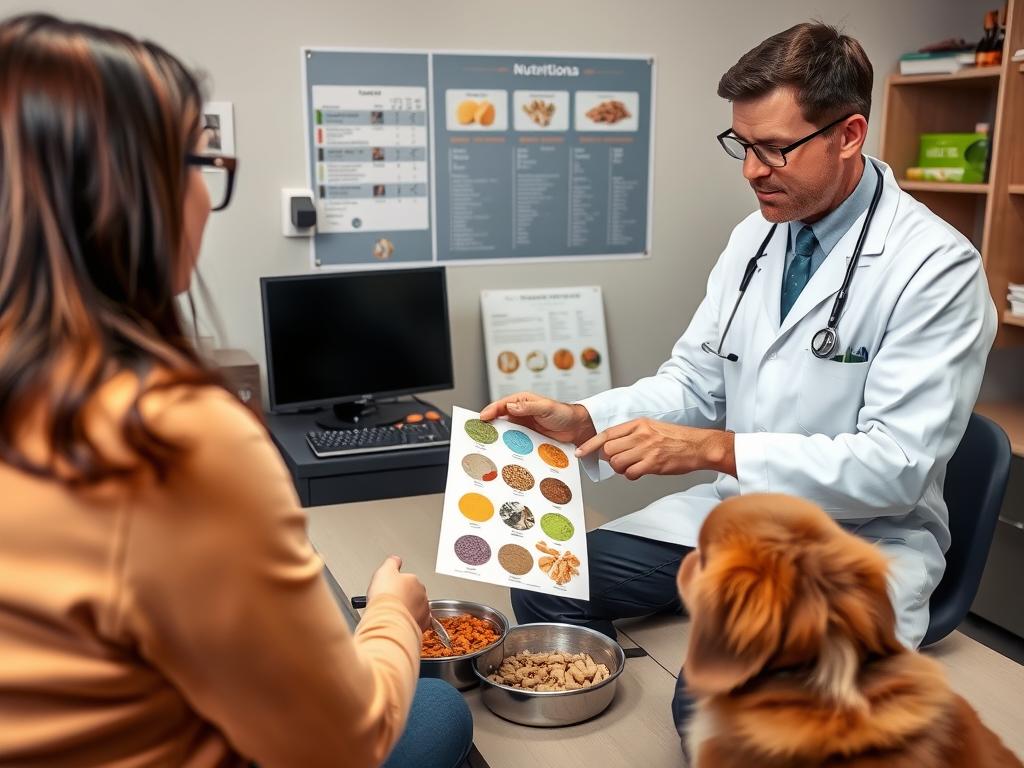
Proper nutrition is fundamental to your pet’s long-term health
Nutrition plays a vital role in your pet’s overall health and development. During your first vet visit, expect a detailed discussion about feeding your new companion appropriately.
Choosing the Right Food
When selecting pet food, consider these important factors:
- Life stage appropriateness: Puppies and kittens have different nutritional needs than adult or senior pets
- AAFCO statement: Look for foods that meet the Association of American Feed Control Officials standards
- Quality ingredients: The first ingredient should be a specified meat source (like chicken, beef, or fish), not a by-product or meal
- Special needs: Some pets require special diets for medical conditions
Feeding Guidelines
Puppies
- Feed 3-4 times daily until 6 months old
- Transition to twice-daily feeding after 6 months
- Follow package guidelines, adjusting for activity level
- Transition to adult food between 9-18 months (varies by breed size)
Kittens
- Feed 3-4 times daily until 6 months old
- Transition to twice-daily feeding after 6 months
- Ensure adequate protein content
- Transition to adult food around 12 months
Foods to Avoid
Some human foods are toxic to pets and should never be offered:
Toxic to Dogs
- Chocolate
- Grapes and raisins
- Onions and garlic
- Xylitol (artificial sweetener)
- Alcohol
- Macadamia nuts
Toxic to Cats
- Onions and garlic
- Raw eggs and meat
- Chocolate
- Alcohol
- Caffeine
- Many houseplants (like lilies)
Your veterinarian can provide specific nutritional recommendations based on your pet’s breed, size, age, and health status. Don’t hesitate to ask questions about portion sizes, feeding frequency, and transitioning between foods.
Essential Questions to Ask During Your Pet’s First Vet Visit

Come prepared with your questions to make the most of your time with the Vet.
Your first veterinary visit is the perfect opportunity to establish a relationship with your pet’s healthcare provider and gather important information. Being prepared with questions ensures you don’t forget anything important during the appointment.
Health and Preventive Care
- What is the recommended vaccination schedule?
- How often should my pet have wellness exams?
- What parasite prevention do you recommend?
- When should I consider spaying/neutering?
- What breed-specific health concerns should I monitor?
- How do I care for my pet’s dental health?
Nutrition and Weight Management
- What food do you recommend for my pet?
- How much and how often should I feed my pet?
- How do I know if my pet is at a healthy weight?
- When should I transition from puppy/kitten food to adult food?
- Are treats okay? How many is too many?
Behavior and Training
- What socialization is appropriate for my pet’s age?
- When can my puppy safely interact with other dogs?
- Do you recommend any specific training methods or classes?
- How do I address common behavior issues?
- What exercise requirements does my pet have?
Emergency and Practical Matters
- What symptoms warrant an emergency visit?
- What are your emergency hours and procedures?
- Do you recommend pet insurance? Which providers?
- What is the best way to contact you with questions?
- Should I microchip my pet? When?
Never Forget an Important Question
Download our comprehensive list of questions to ask your veterinarian. Print it out and bring it to your appointment to ensure you cover all the important topics.
What to Bring to Your Pet’s First Vet Visit
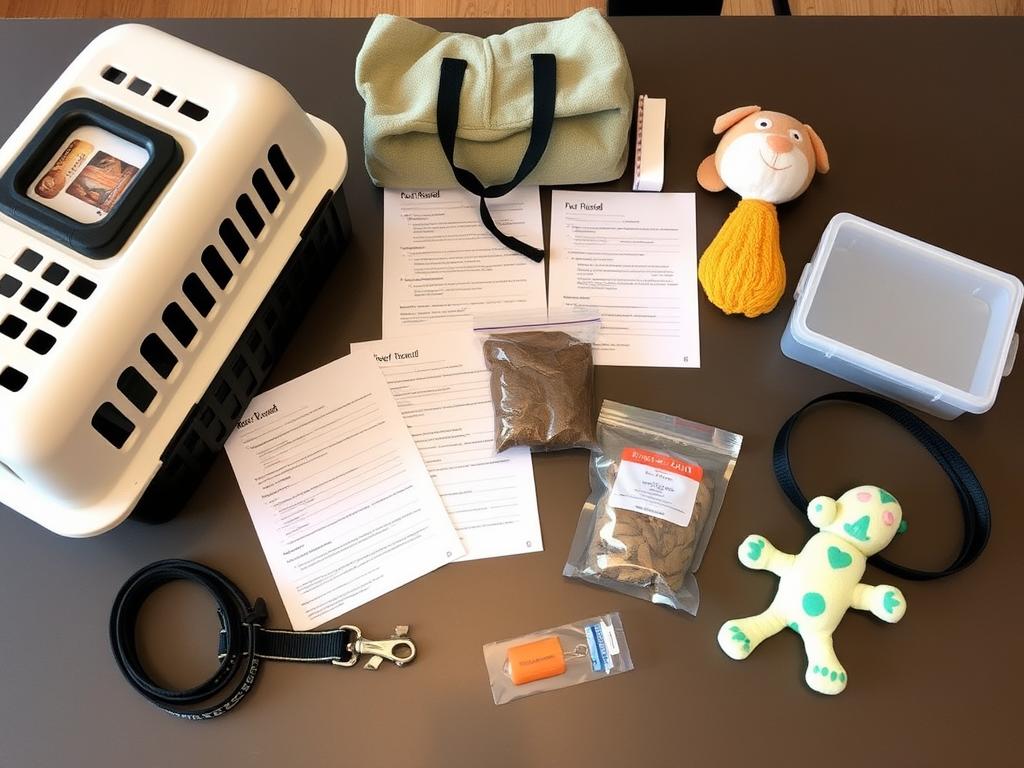
Being prepared makes the first vet visit smoother for everyone
Coming prepared to your pet’s first veterinary appointment helps ensure a productive visit. Here’s a checklist of items to bring:
Essential Items
- Medical records: Any paperwork from the breeder, shelter, or previous owner
- Fresh stool sample: Collected within 24 hours, in a clean container
- Current food details: Brand, type, and feeding schedule
- List of questions: Written down so you don’t forget
- Payment method: Be prepared for examination fees
Safety and Comfort Items
- Secure carrier (for cats and small dogs)
- Leash and collar/harness (for dogs)
- Comfort item: A familiar toy or blanket
- Treats: For positive reinforcement
- Towels: In case of accidents
Be Fully Prepared for Your First Vet Visit
Download our comprehensive First Vet Visit Checklist to ensure you don’t forget anything important. Includes what to bring, questions to ask, and space to record your vet’s recommendations.
Understanding the Costs of Your Pet’s First Vet Visit

Understanding potential costs helps you budget appropriately for your pet’s care
The cost of your pet’s first veterinary visit can vary widely depending on your location, the veterinary practice, and what services are provided. Being prepared financially helps avoid surprises.
Typical Cost Breakdown
| Service | Typical Cost Range | Notes |
| Initial Examination | $45-$85 | Basic physical exam and consultation |
| Vaccinations (initial set) | $75-$150 | Varies based on which vaccines are given |
| Fecal Testing | $25-$50 | Screens for intestinal parasites |
| Deworming | $10-$35 | Often recommended regardless of fecal results |
| Heartworm Testing | $35-$50 | For dogs 6+ months old |
| Microchipping | $25-$60 | One-time fee includes registration |
| Flea/Tick/Heartworm Prevention | $40-$200 | Varies by product and supply duration |
Managing Veterinary Costs
- Pet insurance: Consider enrolling when your pet is young, before any pre-existing conditions develop
- Wellness plans: Many veterinary practices offer preventative care packages at a discount
- Compare prices: Call several clinics to compare examination fees and vaccine costs
- Budget monthly: Set aside money regularly for routine and emergency veterinary care
Don’t hesitate to discuss financial concerns with your veterinarian. Many practices offer payment plans or can recommend prioritizing certain services if budget constraints exist.
Preparing for a Lifetime of Health

Your pet’s first vet visit is the beginning of a lifelong healthcare partnership
Your pet’s first veterinary visit marks the beginning of what will hopefully be a long, healthy life together. This initial appointment establishes not only a baseline for your pet’s health but also lays the foundation for a trusted relationship with your veterinarian.
Remember that your veterinarian is your partner in pet care. No question is too small, and no concern is too trivial when it comes to your pet’s well-being. By starting with a thorough first visit and maintaining regular wellness checks, you’re giving your new companion the best chance at a healthy, happy life.
Take the time to prepare for this important appointment, bring all necessary items, and come with your questions ready. Your proactive approach to your pet’s healthcare will benefit both of you for years to come.
“The greatest wealth is health.” This ancient proverb applies just as much to our beloved pets as it does to ourselves. Your investment in proper veterinary care from day one is an investment in countless happy moments with your pet.